
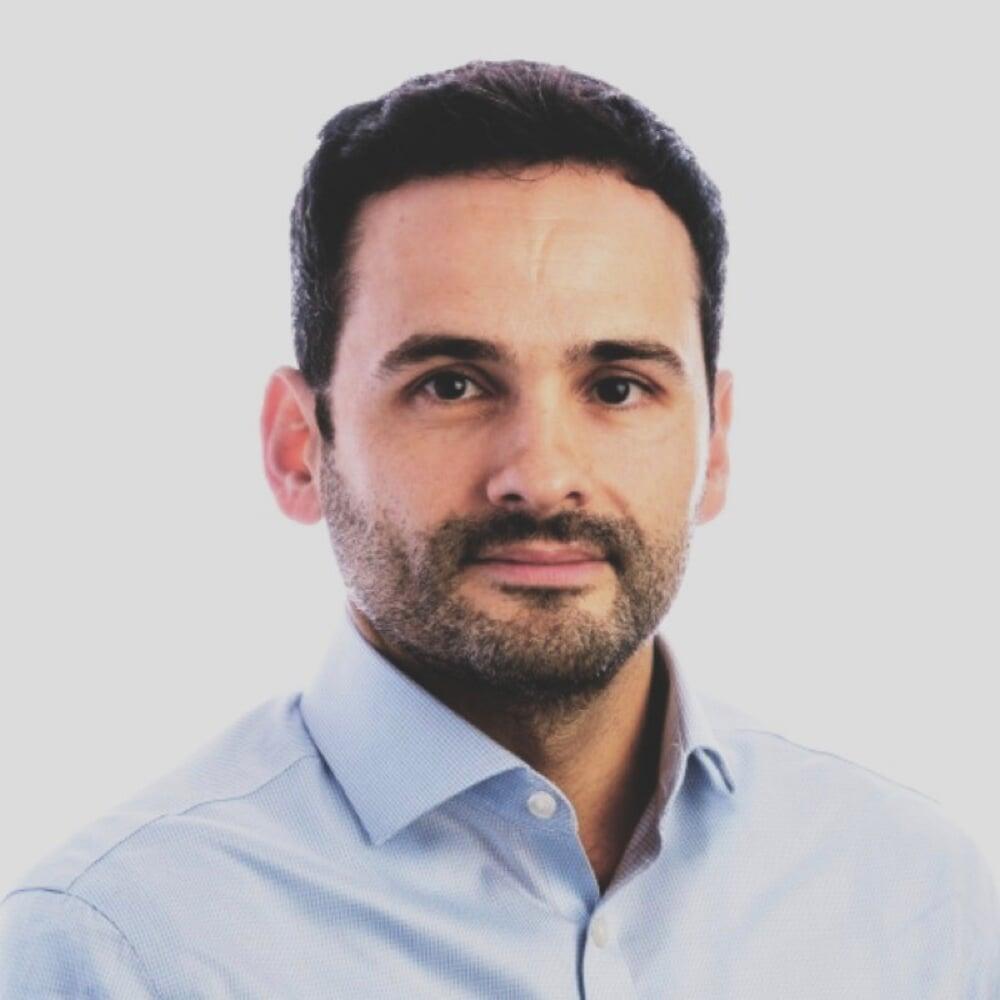
Finance leaders are increasingly seen as more than just stewards of capital; they are architects of culture. In this exclusive interview, we speak with Jonny Jacobs MBE, Group Finance Director and Vice President of ICAS, who has successfully driven systemic, purpose-led change in his senior roles. Having been awarded an MBE for his work, Jonny shares the personal experience that led him to champion mental well-being as a strategic asset, how his Finance background became an advantage in translating sincerity into systemic change, and the essential advice he would give to future leaders about balancing performance and humanity.
Receiving an MBE having driven cultural change in business is an extraordinary honour. Could you share the personal moment or experience that first moved you to dedicate your time and platform to this?
Having been at pladis (formally United Biscuits) for quite some years, I had a good sense of the culture and performance drivers. In 2017, when I had joined the Executive team, a number of colleagues requested that the business sign the Mind Mental Health Time to Change pledge, following a tragic incident with one of our colleagues. Being quite struck by both the gravity of the moment and also the opportunity to make a difference, I agreed with the our CEO that I would become the Executive sponsor of the mental health programme which we badged as 'positive minds'. I could see, not only the moral imperative to support our brilliant colleagues across all of factories and offices, but also doing the right thing would improve our performance and competitive position in the market
Having been at pladis (formally United Biscuits) for quite some years, I had a good sense of the culture and performance drivers. In 2017, when I had joined the Executive team, a number of colleagues requested that the business sign the Mind Mental Health Time to Change pledge, following a tragic incident with one of our colleagues. Being quite struck by both the gravity of the moment and also the opportunity to make a difference, I agreed with the our CEO that I would become the Executive sponsor of the mental health programme which we badged as 'positive minds'. I could see, not only the moral imperative to support our brilliant colleagues across all of factories and offices, but also doing the right thing would improve our performance and competitive position in the market
Your career path led you through senior leadership roles in Finance, a function often seen as focused metrics and driving performance. How did the skills and perspective you gained in Finance, like insight, trust, and strategic influence, ultimately become assets in leading crucial conversations about culture
I found myself at the intersection on the culture value equation - a CFO, business leader, Non Exec of Charities, and working in the ESG space - this is afforded me a unique lens to link culture and performance. What I came to appreciate was that having a clear sense of purpose, creates a social capital that could drive performance. If we could find what was special to pladis, we could pull on those levers. My role on the Executive team and also having run Finance at the factories for example, I could clearly link the operational and financial benefit of supporting our colleagues to be their best. Finance professionals are at the heart of an organisation, we see things others may not, we have a unique broad view, close to the Boardroom set strategy and assign budgets. Therefore, we are perfectly placed to connect the dots and influence the allocation of resources to broader initiatives that drive value for shareholders and broader stakeholders
For many, the idea of discussing personal well-being at work, especially with senior leaders, remains difficult. What steps did you personally have to take to become comfortable and authentic in leading these conversations as a Finance leaders?
When I returned from a global leaders summit in 2017, as CFO for pladis in North America, I shared my experience with the my fellow Executive team members and the broader business. Having listened to some notable political and business leaders, as well as up and coming global talent, it gave me more confidence in being an authentic leader that was true to myself. With this in mind, I spend some time exploring what was unique to me and how I could make a difference as a leader, both at pladis with 16,000 employees and also among my 25,000 member base at ICAS. From them, it was practice, practice, practice and being open to receiving feedback to develop my broader impact as a leader.
If you could give your younger self, perhaps the one starting out in Finance, one piece of advice about balancing career ambition with personal well-being, what would it be?
It's all about balance. That balance ebbs and flows over time, and allow yourself to flex that balance though life. Be comfortable changing the speed setting over time!
In your experience, what is the business case for well-being? How do you quantify the ROI for initiatives that fall outside traditional P&L metrics, and how do you successfully communicate that value to the Board?
For me, this sits right at the intersection of purpose-led leadership and board-level strategic influence. Some of these principes apply not just to wellbeing, but also broader cultural initiatives. From a hard metric perspective businesses can look to areas such as talent retention & productivity, for example initiatives that reduce burnout, absenteeism, and employee turnover costs, with a view to drive of operational efficiency and cost efficiency. From a brand & culture equity perspective, a visible commitment to well-being can enhance employer brand, Net Promoter Score, EVP, and aligns with ESG narratives. Then there is risk mitigation and all sectors have their own nuances. When I've seen this work well, is when the business case and performance targets are closely aligned to the strategic agenda and balanced scorecard of an organisation, as well as the company values. I always encourage management teams to balance data and storytelling to win both the head and the heart.
For Finance leaders looking to take on this "Culture Carrier" role, what is the biggest challenge they will face in translating sincerity into systemic change, and how do they overcome it?
Sometimes other stakeholders can put Finance professionals "in a box". I do think we should be authentic to ourselves and leadership will shine through. We are no different to other colleagues who care deeply about the businesses we are in and the people around us. Rather than play into that stereotype, use it as your superpower, with our unique vantage point to craft strategy and execute change. For example, we could codify commitments and embed cultural programmes in governance structures, something we in finance are very familiar with. We could frame the impact through our CFO and commercial lens, be it cost avoidance, brand equity, and strategic resilience. All in all, as finance leaders, we’re not just stewards of capital - we can be architects of culture. Treating culture, not as a side initiative, but as a strategic asset, can support driving sustainable performance.
Edward McElduff is a Reporter for the Bottom Line Brief.